
Elasticity is the percentage change in quantity demanded/supplied with respect to the percentage change in price.
It measures the degree of responsiveness of change in quantity due to change in prices.
Let’s make it more simple
Elasticity = % Δ Q ÷ % Δ P
OR
Elasticity = Percentage Change in Quantity ÷ Percentage Change in Price
0 ≤ Elasticity ≤ 1
Where
0 = Indicates Perfectly Inelastic
1 = Indicates Perfectly Elastic
Elasticity Types
- Price Elasticity
- Income Elasticity
- Cross Elasticity
- Arc Elasticity
Elasticity of Demand
According to law of demand if other factors remains same, the increase in prices of product decreases its quantity demand. This show the inverse relationship between prices and quantity demand.
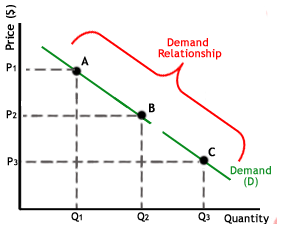

It measures the proportional variations in quantity demanded due to proportional variations in price.
Ed = Percentage Change in Qd ÷ Percentage Change in Price
In above diagram demand curve is negatively sloped and have negative elasticity of demand. At each point on demand curve we have different elasticity, like at mid-point elasticity is equal to unity, above this point it is greater than zero while at lower point less than zero.
Quickly Analyze the nature of good
| Elasticity Values | Nature of Good |
| Ed>1 | Luxury Good |
| Ed=1 | Normal Good |
| Ed<1 | Basic Good |
| Ed=0 | Neutral Good |
Elasticity of Supply
Law of supply shows that if other factors remains same, the increase in prices of products increases the supply of that products. This reveals the positive association between prices and quantity supply.


The above diagram shows that supply curve positive slope and it has positive elasticity.
Elasticity of supply shows the percentage change in quantity supplied due to percentage change in price.
Es = Percentage Change in Qs ÷ Percentage Change in Price
Elasticity of supply always positive because price and quantity moves in the same direction.
 Microeconomics1